


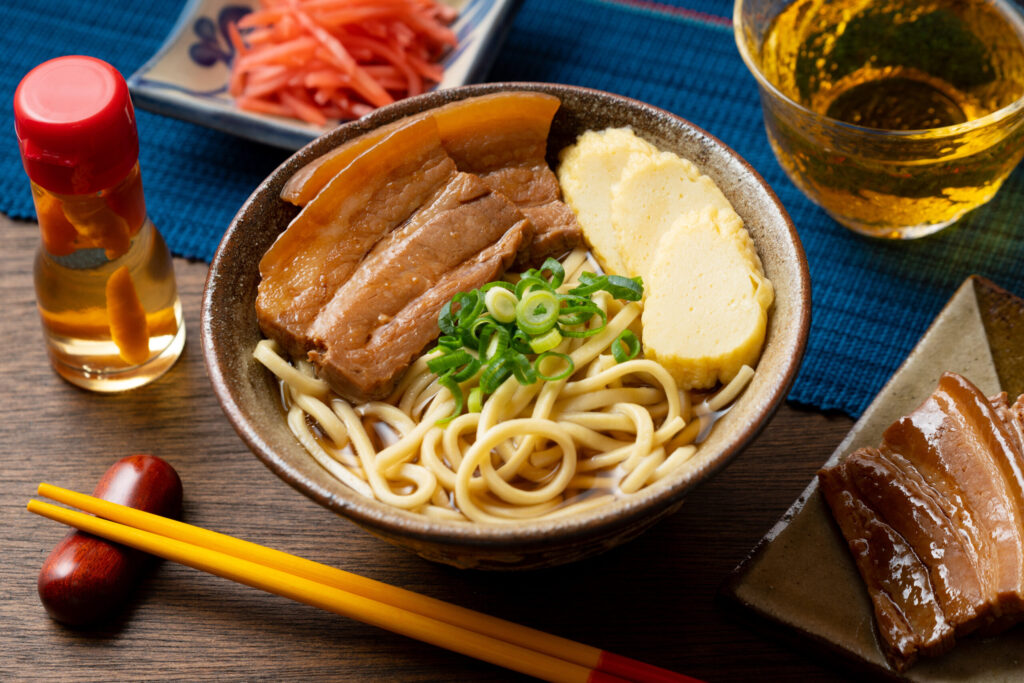
A fiery, flavor-packed “magical seasoning” that is an essential part of everyday Okinawan cuisine—that’s Koregusu.
You’ll find this little bottle sitting beside bowls of Okinawa soba in restaurants across the island. Made by infusing Awamori with Okinawan island chilies, even just a few drops add a sharp, spicy kick to the gentle pork-and-bonito broth, bringing its flavors into sharper focus and taking the dish to another level.
But Koregusu’s appeal goes far beyond Okinawa soba. Its incredible versatility can unlock the full potential of all kinds of dishes, from Chanpuru stir-fries and ramen to gyoza, Japanese cuisine, and even Italian dishes.
In this guide, Helios Distillery, which has carried on Okinawa’s traditional Awamori-making heritage since the days of the Ryukyu Kingdom, takes an in-depth look at the fascinating world of Koregusu. From the origin of its name to a professional, foolproof recipe for making your own at home, we’ll cover everything you need to know—including some surprisingly creative ways to use it.
1. What Is Koregusu? The Origin of Its Name and What Makes It Unique
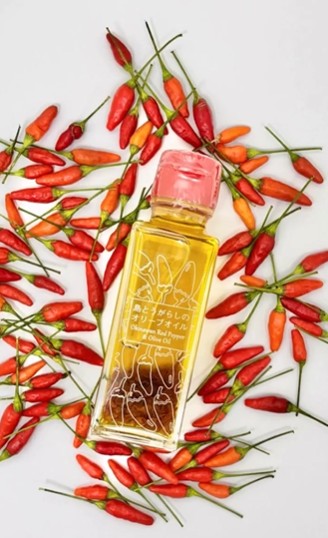
The Origin of the Name
The distinctive name “Koregusu” is believed to have originated from Kōrai Koshō , a term that was gradually adapted into the Okinawan dialect. “Kōrai” refers to the Korean Peninsula, and there is a historical theory that chili peppers were introduced to Japan during Toyotomi Hideyoshi’s invasions of Korea. Against this historical backdrop, chili peppers are still sometimes referred to as Kōrai Koshō in parts of Kyushu.
In Okinawa, koshō is thought to have evolved into gūsu in local pronunciation, eventually giving rise to the name Koregusu. It is an intriguing name that offers a fascinating glimpse into the history and cultural exchanges surrounding chili peppers in Japan.
Flavor and Characteristics
The defining qualities of Koregusu are its clean, crisp heat and the fragrant aroma of Awamori.
Unlike common chili-based sauces such as Tabasco, which typically use vinegar as their base, Koregusu is made with Awamori, a high-proof distilled spirit. Rather than the sharp acidity of vinegar, the subtle sweetness and distinctive aroma of Awamori complement the fruity fragrance of Okinawan island chilies and their intense heat from capsaicin.
When you taste it, the fragrant aroma of Awamori rises first, followed by a sharp, piercing heat that spreads across the tongue. Yet the spiciness does not linger; it fades away cleanly and quickly. This crisp finish is what makes Koregusu such a versatile seasoning—it adds a vibrant accent to a dish without overpowering its original flavors.
Because Koregusu is a liquid seasoning, it also blends easily into food, making it simple to distribute its flavor evenly throughout a dish.
Main Ingredient #1: Okinawan Island Chilies
The true soul of Koregusu is, without a doubt, Okinawan island chilies. Grown under Okinawa’s intense tropical sunshine, these tiny chilies—about the size of your little finger—pack an astonishing amount of heat along with a distinctive fruity aroma.
They can be difficult to find outside Okinawa, but if you can’t get them, you can substitute dried red chilies (taka no tsume) or fresh red chili peppers. However, nothing quite matches the vibrant flavor of authentic Okinawan island chilies.
Main Ingredient #2: Awamori
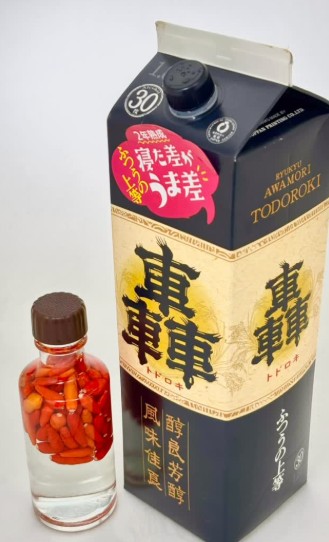
The other key ingredient is Awamori. Its alcohol helps efficiently extract capsaicin, the compound responsible for the heat of the island chilies.
The alcohol content is particularly important here. We recommend using Awamori with an alcohol content of 30% ABV or higher. Generally, a higher alcohol content allows for more efficient extraction and also helps improve shelf stability.
For this recipe, we use Helios Distillery’s Todoroki 30% ABV, a popular Awamori enjoyed throughout Okinawa. For an even smoother and more complex flavor, you can also use kusu (aged Awamori).
How to Make Koregusu: A Complete Guide
Preparation
Sterilize the bottle:
Place the glass bottle and lid in a pot and add enough water to completely cover them. Bring the water to a boil, then reduce the heat and simmer for about 5–10 minutes. Carefully remove them with clean tongs and place them upside down on a clean cloth to air-dry completely. This is one of the most important steps for long-term storage.
Wash and dry the island chilies:
Gently wash the island chilies under running water and thoroughly pat them dry. Then leave them in a well-ventilated place for several hours until they are completely dry. Any remaining moisture can increase the risk of mold.
Infusing the Chilies
- . Remove the stems:
Once the chilies are thoroughly dry, remove the stems—the green stalks at the top—one by one by hand. - Fill the bottle:Place the chilies into the sterilized bottle. As a general guide, fill the bottle to about half to two-thirds full.
- Add the salt:Add a pinch of salt. This helps enhance the overall flavor and improve shelf stability.
- Add the Awamori:Pour in enough Awamori to fill the bottle to the top, making sure the chilies are completely submerged.
- Let it infuse:Seal the bottle tightly and store it in a cool, dark place away from direct sunlight for at least 2–3 weeks.
How to Tell When It’s Ready
As the Awamori draws out the flavors and color from the island chilies, the liquid will gradually change from clear to a. This is a good sign that your Koregusu is ready.
It’s also part of the fun to watch the color deepen little by little as the days go by.
Storage and Shelf Life
- Storage:
Once ready, store your Koregusu in the refrigerator or in a cool, dark place away from direct sunlight. - Shelf life:
Because the chilies are infused in high-proof alcohol, properly stored homemade Koregusu can generally be enjoyed for around two years. As the Awamori level goes down, you can top it up with more Awamori to keep enjoying it for even longer.
3. How to Use Koregusu: From Okinawa Soba to Creative Ways to Enjoy It
Once your homemade Koregusu is ready, it becomes a versatile seasoning that can bring a taste of Okinawa to almost any meal.
The Classic: Okinawa Soba
Just 2–3 drops in the mild, savory broth can instantly sharpen and enhance the overall flavor. The sweetness and richness of the pork belly (Rafute) create a wonderful contrast with the heat and fragrant aroma of Koregusu.
Note: Homemade Koregusu can often be hotter than commercially available versions, so start with just one drop and add more to taste.
Perfect Pairings with Okinawan Cuisine
Chanpuru:
Add a few drops to Goya Chanpuru or Tofu Chanpuru just before serving. The spicy kick adds an extra layer of flavor and makes the dish even more appetizing.
Soups:
Adding a little Koregusu to Nakami-jiru, a clear soup made with pork offal, or Inamudouchi, a pork soup made with white miso, is also a classic way to enjoy it in Okinawa.
Unexpected Ways to Use It: The Possibilities Are Endless
Noodles:
Koregusu pairs surprisingly well with ramen—especially tonkotsu and miso ramen—as well as udon and pasta, including dishes such as aglio e olio.
Gyoza & Sashimi:
Mix a few drops into soy sauce instead of using chili oil or wasabi. It works particularly well with mild-flavored seafood such as squid and octopus.
Pizza & Toast:
Use it just as you would Tabasco to give pizza or toast a Japanese-inspired spicy kick.
Hot Pot Dishes:
Add a small amount to ponzu sauce for dishes such as mizutaki (chicken hot pot) or yudofu (hot tofu). Just a few drops can give these simple dishes a more sophisticated, grown-up flavor.
⚠️ Important: Be Careful About Drinking and Driving After Using Koregusu
Q. Can Koregusu actually cause you to be over the legal alcohol limit when driving?
A. Yes, it can.
Depending on how much you consume and your individual tolerance, the alcohol in Koregusu may affect your blood alcohol level and could result in driving under the influence of alcohol. For this reason, you should exercise extreme caution when using Koregusu before driving.


 JA
 EN
 CN
 KO