


Mastering the Varieties of Awamori: Exploring the Rich and Fascinating World of Awamori
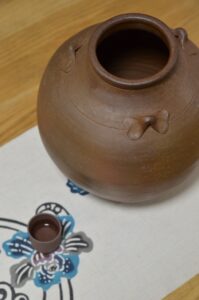
Awamori is a traditional distilled spirit produced in Okinawa Prefecture, and it comes in a remarkable variety of styles. It can be classified in many different ways based on factors such as ingredients, production methods, aging periods, storage techniques, flavor profiles, and drinking styles. In this article, we will explore the different ways awamori can be categorized while introducing the diversity and depth that make this unique spirit so fascinating.
1. Classification by Aging Period: Shinshu (New Awamori) and Kūsu (Aged Awamori)
◆ Shinshu (New Awamori)
Awamori that is bottled soon after distillation is known as shinshu (new awamori). Most awamori commonly available on the market falls into this category and is aged for less than three years. Shinshu is characterized by its fresh aroma and slightly dry taste. Its bold and robust flavor makes it particularly well suited to being enjoyed with water (mizuwari) or mixed with soda.
◆ Kūsu (Aged Awamori)
One of the most distinctive features of awamori is its tradition of kūsu (aged awamori). Only awamori that has been aged for at least three years can be classified as kūsu, developing a mellow character and rich aroma.As awamori continues to mature, its aroma and flavor gain greater depth and complexity. Kūsu aged for 10 or even 20 years can truly be regarded as a work of art.In particular, kūsu matured in traditional clay pots (kame) develops an even richer flavor profile through the minerals contained in the clay and the natural breathing properties of the earthenware.
Understanding Kūsu (Aged Awamori) Percentage Labeling
You may occasionally come across labels such as “30% 10-Year Kūsu.” This means that 30% of the awamori in the blend consists of kūsu that has been aged for 10 years.
Under traditional classification standards, a product cannot be labeled as “kūsu” unless it is made entirely from aged awamori. Therefore, the blend ratio serves as an important indicator of the character, aroma, and overall value of the final product.
2. Classification by Production Method
◆ All-Kōji Awamori (Traditional Style)
One of the defining characteristics of awamori is its all-kōji production method. In this traditional process, all of the rice is inoculated with black kōji mold and converted into kōji before fermentation begins. This technique, unique to awamori, contributes to its rich body, deep flavor, and distinctive umami character.
◆ Modern Awamori (Made with White or Yellow Kōji)
Traditionally, awamori has been made exclusively with black kōji. In recent years, however, some distilleries have developed new styles of awamori using white or yellow kōji to create unique aroma profiles. Experimental products that incorporate sake-brewing techniques have also emerged, resulting in a growing range of awamori with lighter and more approachable flavor profiles.
◆ Vacuum-Distilled Awamori
Traditional awamori is typically distilled under atmospheric pressure, which helps preserve its bold and robust flavor. In recent years, however, lighter styles of awamori produced through vacuum distillation have become increasingly popular. Because vacuum distillation allows the spirit to be distilled at lower temperatures, it enhances delicate aromas and creates a smoother, mellower character.
3. Classification by Storage Method
◆ Stainless Steel Tank Aging
Modern Awamori is often aged in stainless steel tanks, which are resistant to corrosion and highly hygienic. This method produces a clean, crisp flavor profile with minimal off-notes
◆ Enamel Tank Aging
Enamel-lined tanks help prevent oxidation while providing an ideal environment for long-term aging. Commonly used for medium- to long-term maturation, this method produces a well-balanced character with enhanced smoothness and depth.
◆ Clay Pot Aging
Clay pot aging is the most traditional and highly prized aging method. The natural breathability of the clay allows the spirit to mature slowly, resulting in an exceptionally rich Awamori with notes of vanilla and caramel. Kusu (aged Awamori) matured in clay pots is both rare and highly valued, earning it the nickname “the jewel of Awamori.”
4. Classification by Flavor Profile
◆ Rich and Full-Bodied Type
Commonly found in Kusu and clay pot-aged Awamori, this type has a rich and aromatic profile. Characterized by notes of nuts, oak, and caramel, it is best enjoyed slowly, either neat or on the rocks.
◆ Light and Crisp Type
This type is typically found in Awamori made using reduced-pressure distillation and white koji mold. It features a fruity, refreshing aroma and is especially popular among beginners. It is also ideal for soda mixes and cocktails.
◆ Medium-Bodied Type
With a flavor profile that is neither too heavy nor too light, this type offers a well-balanced profile and is ideal for food pairing, making it perfect for everyday enjoyment.
Classification by Drinkability and Usage
◆ Food Pairing Type
With a relatively light flavor profile, this type of Awamori pairs beautifully with Okinawan cuisine. It complements savory, umami-rich dishes such as Goya Champuru and Rafute (braised pork belly).
◆ Digestif Type
With its exceptional depth, Kusu is best enjoyed as a digestif, much like a fine whisky. It pairs beautifully with desserts or chocolate, making it an ideal way to unwind.
◆ Awamori for Cocktails
Flavored Awamori and Awamori-based liqueurs infused with local ingredients like Shikuwasa and hibiscus are widely used as cocktail bases. These modern styles are particularly popular among the younger generation.
6. Regional and Distillery Characteristics
Awamori is produced not only on Okinawa’s main island but also on islands such as Miyako, Ishigaki, and Kume, with each region reflecting its unique local terroir.
Awamori from Miyako Island:Primarily crisp and dry, offering a light, clean mouthfeel.
Awamori from Yaeyama (including Ishigaki Island):Highly aromatic with a vibrant and expressive flavor profile.
Awamori from Naha and the northern part of Okinawa Island:Home to a thriving Kusu (aged Awamori) culture, with many distilleries producing robust, deep, and rich styles.
Distilleries in each region draw on local water, unique climate conditions, and artisanal craftsmanship to create Awamori with distinct character.
7. New Trends in Modern Awamori
◆ Flavored Awamori
Highly popular among younger consumers, these styles of Awamori are infused with fruit flavors such as shikuwasa, mango, and pineapple. Featuring a pleasant aroma, they are especially refreshing when enjoyed with soda.
◆ Flavored Awamori
Some distilleries have begun aging Awamori in oak casks, in a style similar to whisky. This process imparts a beautiful amber hue along with subtle smokiness and rich oaky notes.
◆ Seabed-Aged Awamori
n recent years, Awamori aged in clay jars buried on the seabed has gained attention. The slow maturation, driven by steady water temperatures and ocean currents, produces an exceptionally mellow spirit with remarkable smoothness.
Conclusion: Find the Perfect Style of Awamori for You
At first glance, Awamori may seem like a simple distilled spirit, but its varieties are remarkably diverse. A blend of aging periods, production methods, storage methods, flavor profiles, and regional cultures creates endless variations.
Whether you enjoy the fresh vibrancy of young Awamori (Shinshu) or the deep richness of aged Awamori (Kusu), this spirit reveals many expressions to suit different tastes and occasions. Truly, it can be described as “a spirit that accompanies life.”


 JA
JA EN
EN CN
CN KO
KO